
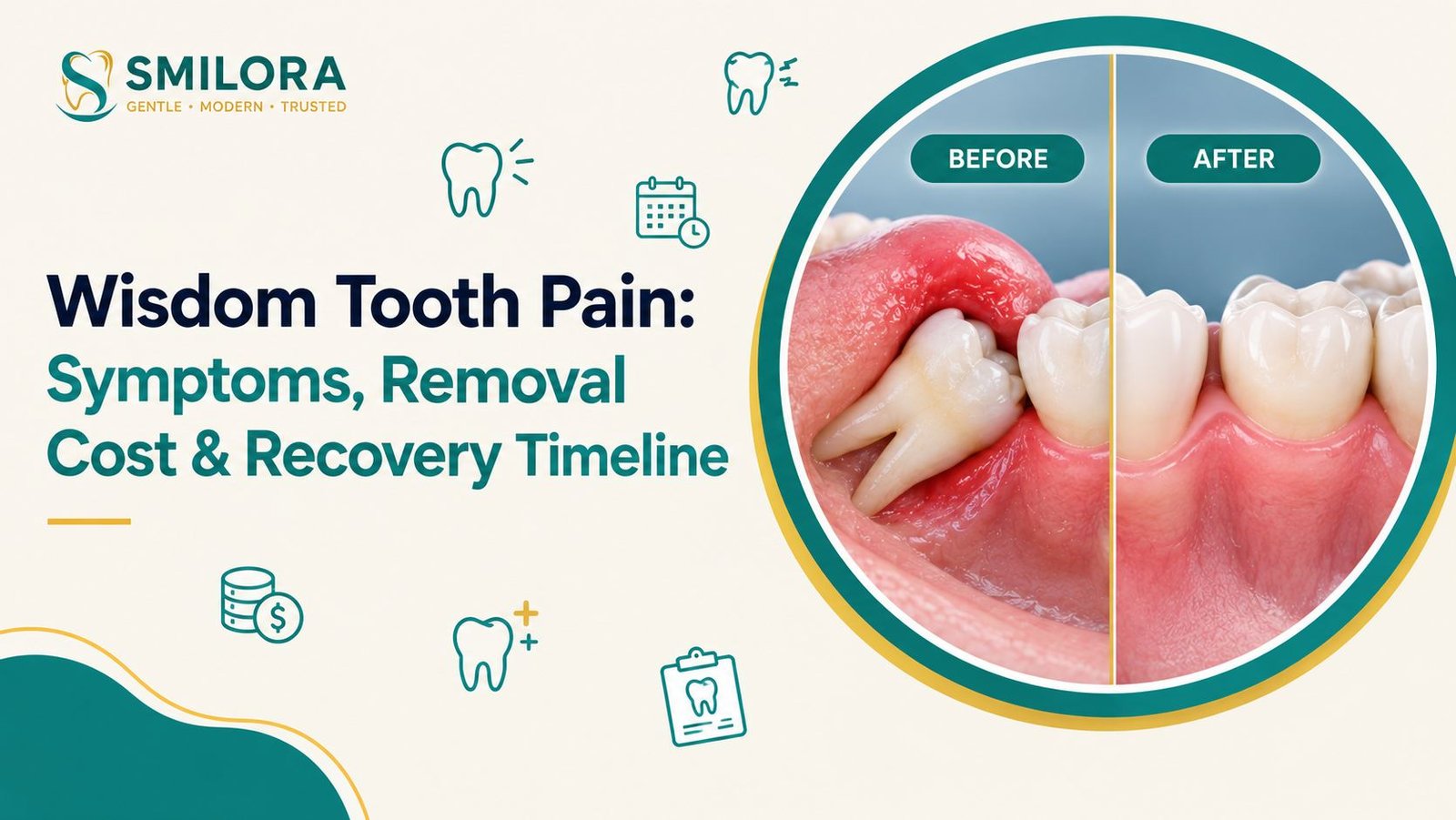
Wisdom tooth pain can turn an ordinary day into an uncomfortable one. A sore jaw, swollen gums, or pain while chewing may signal that a wisdom tooth is erupting or causing a problem. While some wisdom teeth grow normally without needing treatment, others become impacted, infected, or difficult to clean. While procedures such as root canal treatment in Chembur can help treat infection inside a damaged tooth, wisdom tooth problems may require different management.
1) Pain Is Often The First Warning
Wisdom tooth pain can appear at the back of the mouth as the tooth pushes through the gums. You may notice tenderness, throbbing, or discomfort while chewing. Pain can sometimes spread towards the jaw, ear, or nearby teeth. However, pain does not always mean extraction is necessary. A dentist needs to examine the tooth and may recommend an X-ray to determine whether it is erupting normally, impacted, or affected by decay or infection.
2) Watch For More Than Just Pain
Swollen gums around a wisdom tooth can make brushing and eating uncomfortable. Other possible symptoms include redness, bad breath, an unpleasant taste, difficulty opening the mouth, or sensitivity around the affected area. Fever or facial swelling can indicate a more serious infection and should not be ignored. Because several dental problems can produce similar symptoms, professional examination is important before deciding whether wisdom tooth removal is appropriate.
3) Removal Cost Depends On The Case
There is no single price for wisdom tooth removal. The cost can vary depending on whether the tooth has fully erupted, is partially impacted, or is deeply positioned in the jaw. The complexity of the procedure, type of anaesthesia, diagnostic imaging, dentist or oral surgeon’s expertise, and clinic location can also affect the final bill. Asking for a treatment estimate after examination is therefore more useful than relying on a fixed online price.
4) Recovery Usually Takes Several Days
Recovery after wisdom tooth removal varies from person to person. Pain and swelling are generally more noticeable during the first few days and should gradually improve. A dentist may recommend soft foods, gentle oral hygiene, prescribed or recommended pain relief, and avoiding activities that could disturb the healing area. The gum continues healing after the initial discomfort settles, so following post-treatment instructions carefully can help reduce complications and support smoother recovery.
5) Know When Dental Care Is Needed
Not every wisdom tooth needs to be removed. A dentist may recommend monitoring a healthy, properly positioned tooth that causes no problems. Extraction becomes more likely when there is repeated infection, significant decay, gum disease, damage to nearby teeth, or insufficient space for normal eruption. If pain is persistent, severe, or accompanied by swelling or fever, arranging a dental examination promptly is safer than waiting for the symptoms to disappear.
In Conclusion
Wisdom tooth pain can have different causes, so the symptoms should not be ignored. Swollen gums, jaw tenderness, trouble opening the mouth, or repeated infections may indicate that the tooth needs attention. The cost of removal can vary depending on how difficult the procedure is, and most people find recovery more comfortable after the first few days. Rather than trying to identify the problem based on pain alone, it is better to have a dentist examine the tooth.
Make everyday dental care a little easier with Smilora!