
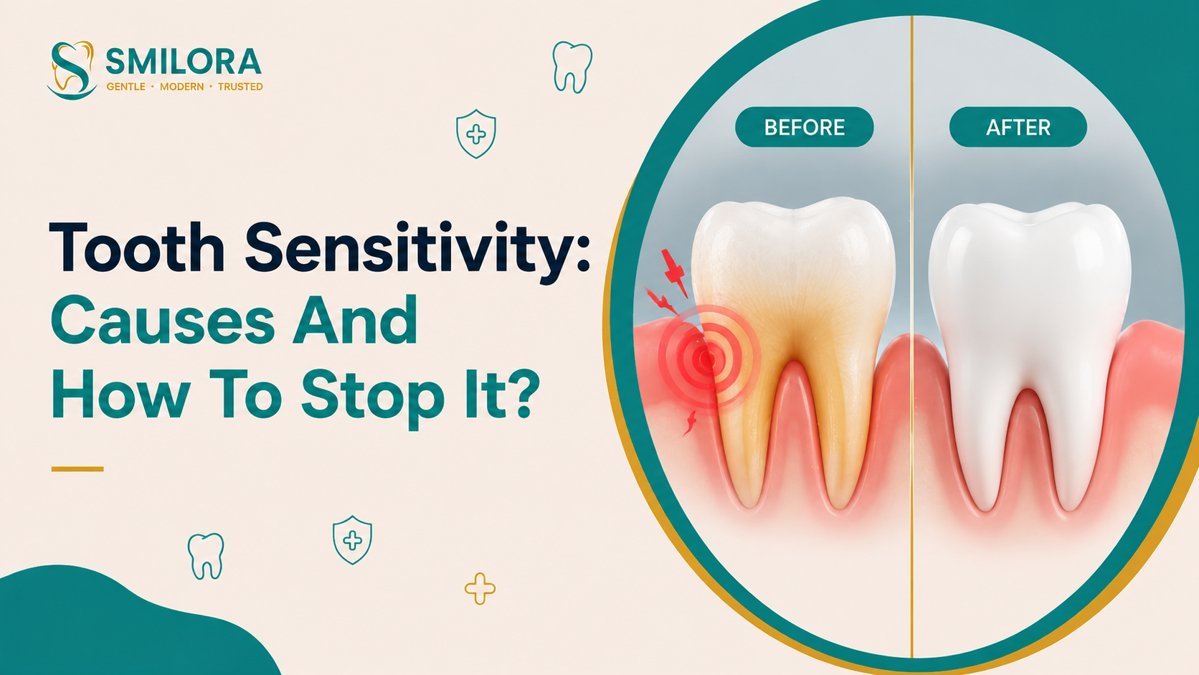
That sudden “ouch!” after a sip of cold water can catch you completely off guard. If your teeth react to ice cream, hot tea, sweets, or even cold air, you may be dealing with tooth sensitivity. It is common, but that does not mean you should simply put up with it. Sensitivity happens when the protective enamel wears down or the inner dentin becomes exposed. Finding the reason behind it can make those uncomfortable little surprises much easier to manage.
1) Enamel May Be Wearing Away
Think of enamel as your tooth’s protective shield. When it becomes thinner, the sensitive dentin beneath it receives less protection. Aggressive brushing, acidic foods, frequent fizzy drinks, and teeth grinding can contribute to enamel wear. Once dentin is exposed, temperature changes and certain foods can trigger that familiar sharp sensation. Brushing gently with a soft toothbrush, using fluoride toothpaste, and cutting back on acidic foods can help protect your enamel.
2) Receding Gums Can Expose Roots
Your gums do more than frame your smile; they also protect the roots of your teeth. When gums recede, those roots become exposed and can become particularly sensitive because they lack enamel. Gum disease, forceful brushing, and natural changes over time may contribute to recession. Good brushing and flossing habits can support healthy gums. If you notice your teeth looking longer or sensitivity near the gumline, a dental check-up is worth considering.
3) Cavities Can Be The Culprit
Sometimes sensitivity is your tooth’s way of saying, “Hey, something needs attention!” A cavity, cracked tooth, worn filling, or damaged enamel can expose deeper areas and cause discomfort. You might notice that one particular tooth reacts more strongly than the others. If sensitivity continues, becomes painful, or appears alongside swelling or pain while biting, do not keep guessing. A dentist can identify the underlying problem and recommend treatment before it becomes more troublesome.
4) Change A Few Daily Habits
You do not need to completely overhaul your routine to give sensitive teeth some relief. Start by brushing twice a day with a soft-bristled toothbrush and fluoride toothpaste, without pressing too hard. Toothpaste made for sensitive teeth may also help when used consistently. Try limiting frequent acidic drinks and foods. After consuming something acidic, rinse your mouth with water and wait before brushing, since immediate brushing can affect temporarily softened enamel.
5) Persistent Sensitivity Needs Attention
A little sensitivity after ice cream may seem harmless, but ongoing discomfort deserves attention. See your dentist if sensitivity lasts for several weeks, repeatedly returns, affects one tooth, or makes eating and drinking difficult. Depending on the cause, treatment may involve fluoride, a filling, repairing damaged enamel, or managing gum problems. Getting professional advice early can prevent a minor issue from turning into a bigger dental headache later.
In Summary
Sensitive teeth can make ordinary moments surprisingly uncomfortable, whether you are enjoying morning tea or reaching for your favourite dessert. The good news is that you can often reduce the problem by protecting your enamel, caring for your gums, and making a few simple changes. Most importantly, do not ignore persistent sensitivity. Your teeth are giving you a signal, and listening early can help keep your smile comfortable, healthy, and ready for whatever you want to eat next.
Looking for gentle dental care? Get in touch with Smilora today!